

The National Institute for Science and Mathematics Education Development is a research unit and an extension arm of the University of the Philippines attached to the College of Education whose goal is to raise the level of teaching and learning of science and mathematics in the Philippine educational system.
Latest News and Upcoming Events
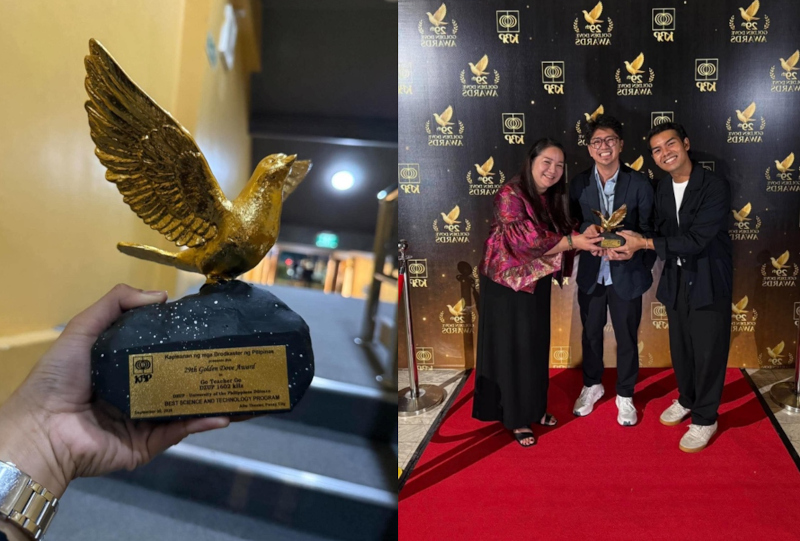
UP NISMED’s Go, Teacher Go! Bags Another Golden Dove Award
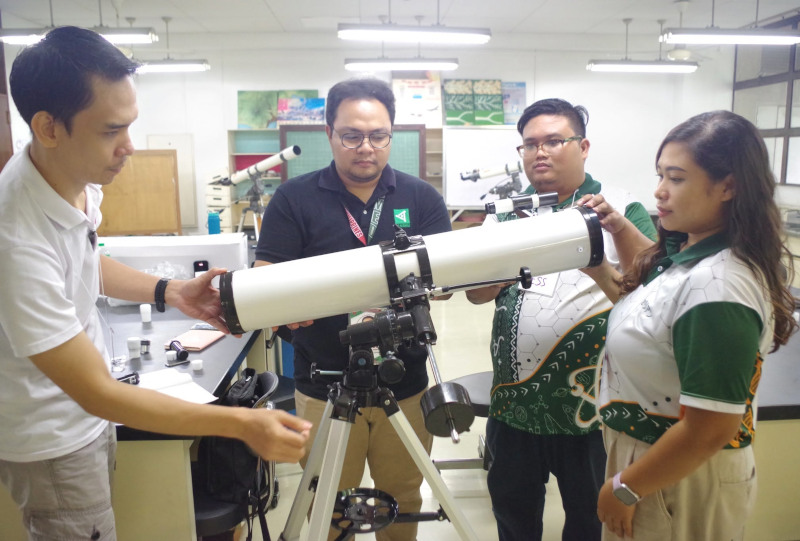
UP NISMED Conducts Telescope Workshop for SDO Muntinlupa Educators
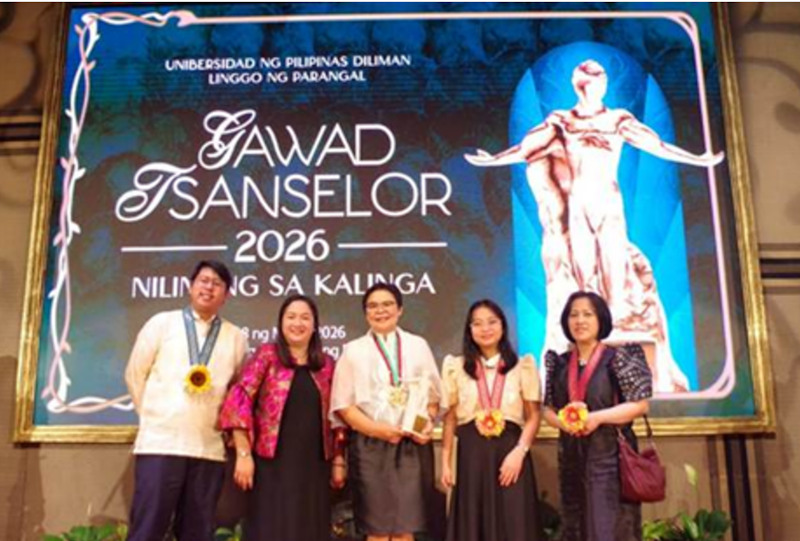
Empowering Mathematics Education: UP NISMED GeoGebra Program Wins 2026 Gawad Tsanselor para sa Natatanging Programang Pang-Ekstensiyon
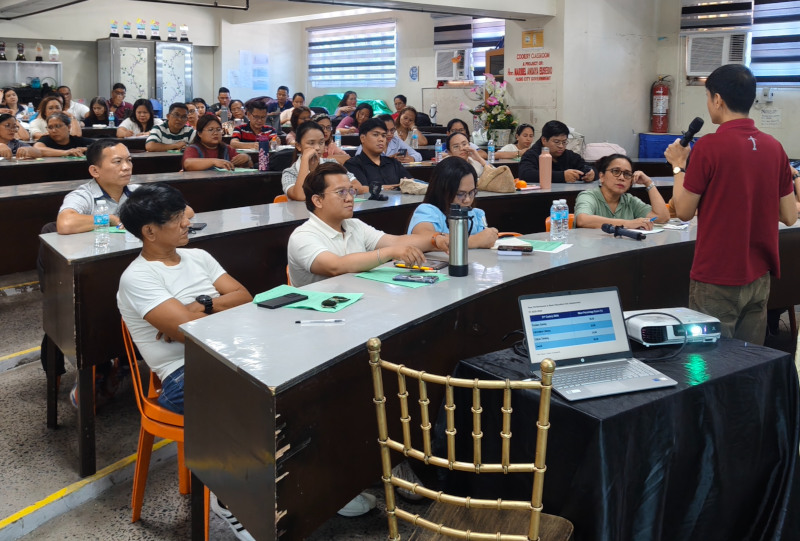
SDO Pasig Teachers Engage in Capacity Building on 21st Century Skills Assessment
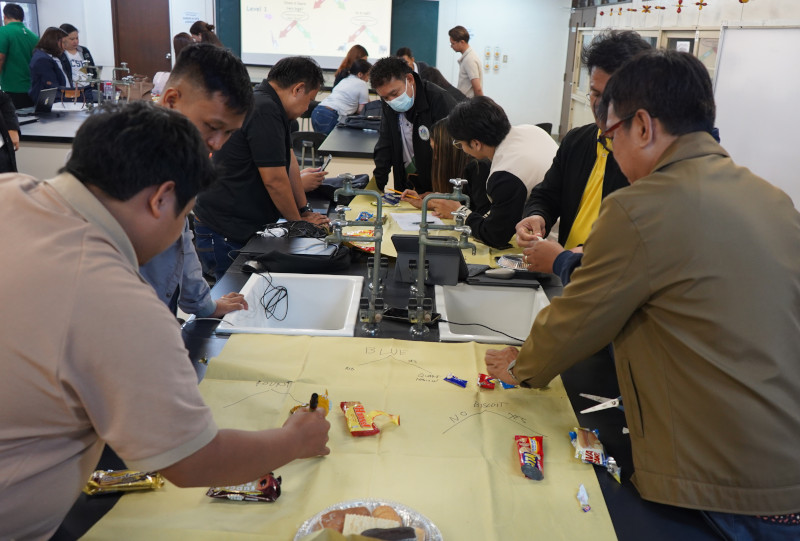
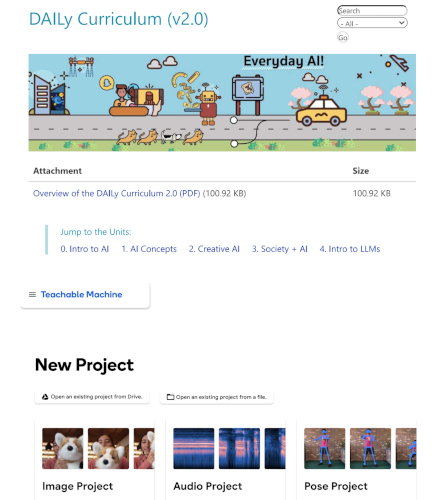
UP NISMED Conducts Developing Artificial Intelligence Literacy (DAILy) Training for Teacher Implementers
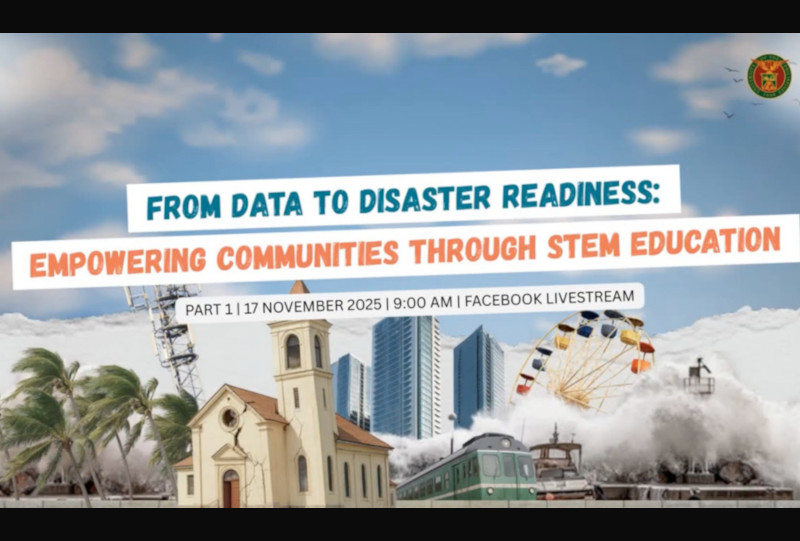
UP NISMED Conducts Two-Part Public Lecture Series for its 61st Anniversary
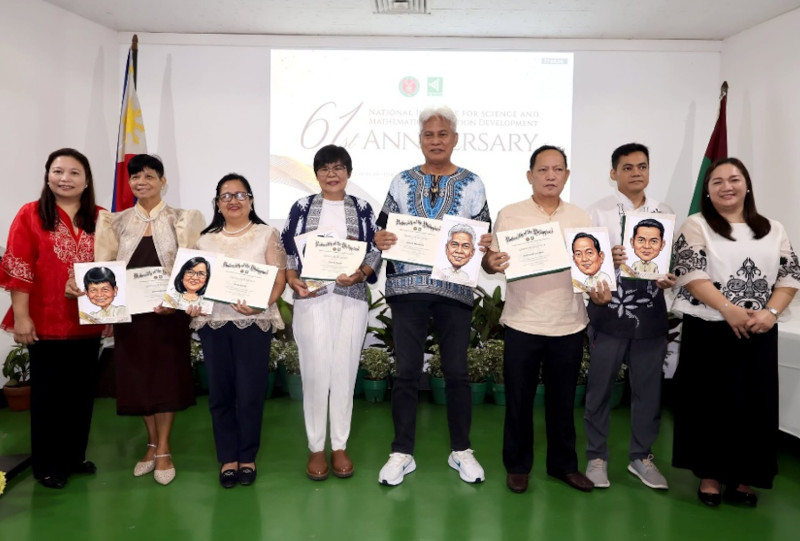
UP NISMED Marks 61 Years of Dedication with Thanksgiving, Recognition, and Achievements

Yuko Wins Best Screenplay at 9th Indie-Siyensya Filmmaking Competition

UP NISMED Staff Present Study on Assessment of Critical Thinking Assessment at ESERA Conference 2025
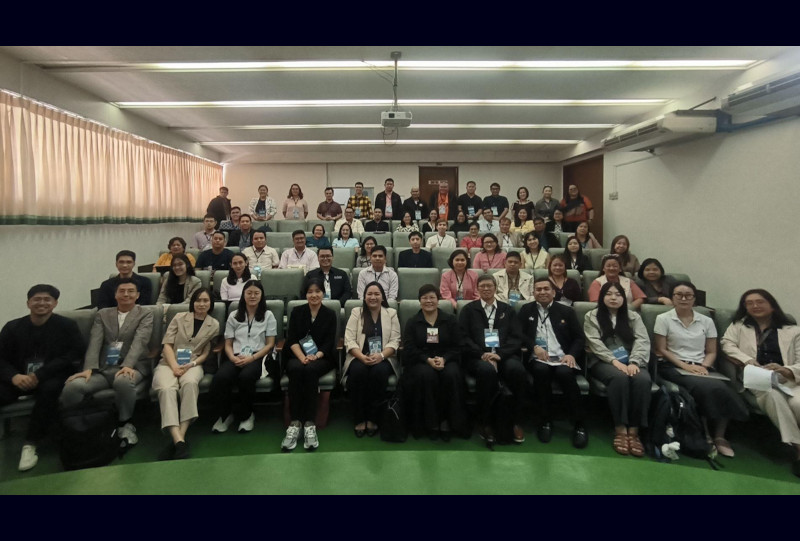
UP NISMED Collaborated with the UP College of Education and KNUE to Conduct the 2025 KNUE-UP Teacher Training on Design Thinking Amplified by AI for Sustainable Development

UP NISMED Staff Present Research at EARCOME 9 in South Korea
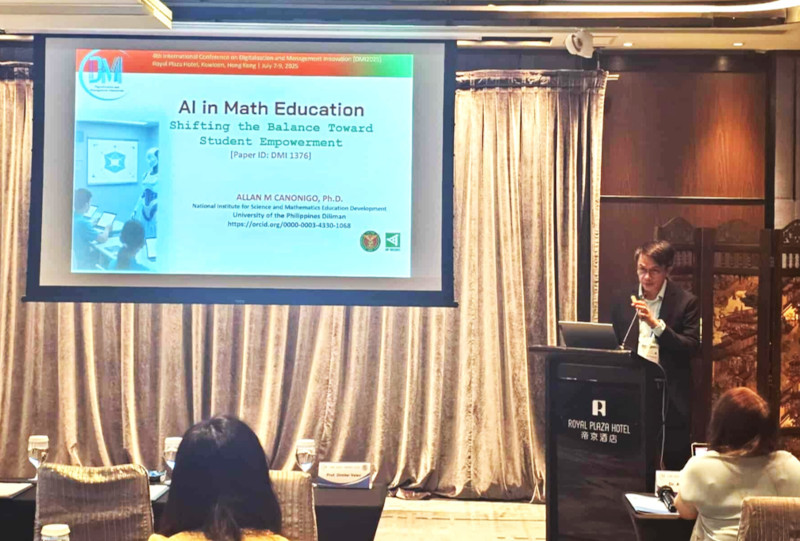
Allan Canonigo Receives Local and International Recognition for Contributions to Mathematics Education Research
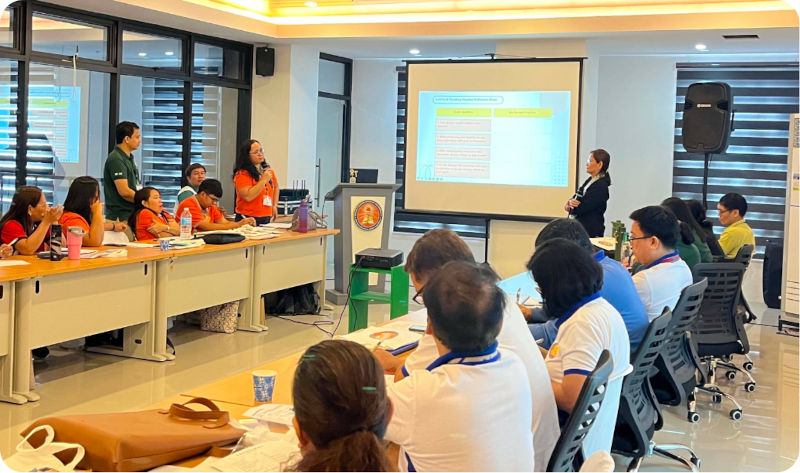
Collaborative Teacher Learning Through Lesson Study
Since 2006, UP NISMED has led efforts to promote lesson study as a school-based professional development model for science and mathematics teachers in the Philippines, fostering collaboration and continuous improvement in classroom practice. Its publications guide teachers in conducting lesson study and writing research that contributes to advancing the global lesson study community.
Teacher Professional Development and Extension
UP NISMED offers professional development and extension programs for science and mathematics teachers, instructional leaders, and the public through training, lectures, and other educational activities that promote quality and accessible science and mathematics education.
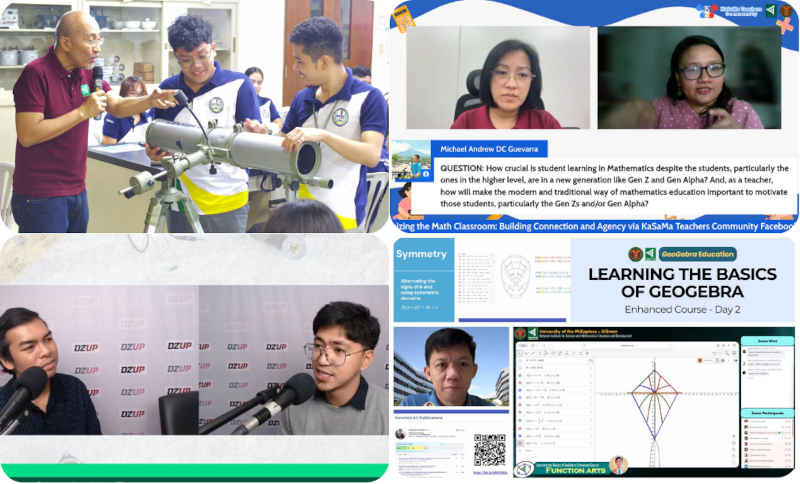
Curricula and Training Workshops on Emerging Technologies
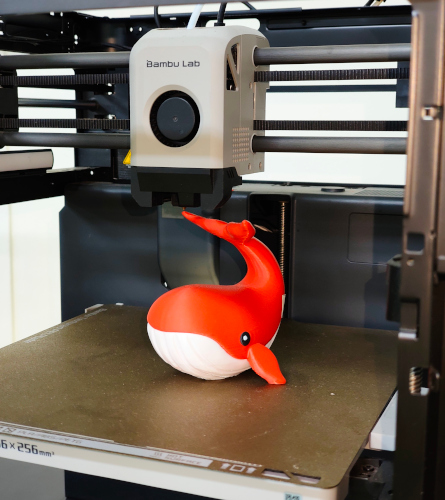
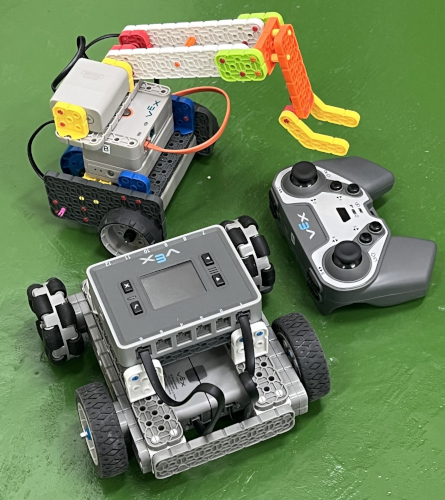
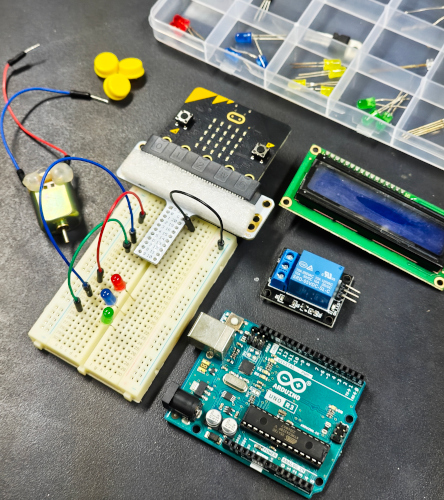
UP NISMED Develops Innovative STEM Curricula and Conducts Professional Development Activities in Emerging Technologies.
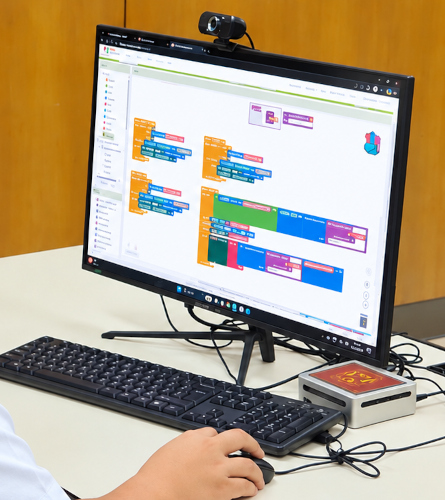
Quality Curriculum Resource Development
UP NISMED develops innovative, research-based learning resources for science and mathematics education. It recently developed lesson exemplars aligned with the revised K to 10 Curriculum to support teachers in its implementation.
Through partnerships, UP NISMED contributes to digital and print teaching and learning materials that strengthen classroom instruction, as well as assessment materials for meaningful evaluation of student learning.
Research
UP NISMED serves as the research and development arm of the government in science and mathematics at the basic and teacher education levels.
Baseline Study of the Current State of Early Grades Mathematics Instruction
UP NISMED, in partnership with the Research Triangle Institute (RTI) International, conducted a study that assessed the current state of early grades (Kindergarten up to Grade 3) mathematics instruction in the Philippines. The study, funded by the United States Agency for International Development (USAID), was conducted in cooperation with the Department of Education (DepEd). The team of researchers, led by Dr. Aida I. Yap, was composed of staff from the Elementary School Mathematics Group, High School Mathematics Group, and selected staff from the High School Biology Group, Information Science Group, and Elementary School Science Group. The two major lenses used to assess the current state of mathematics education at the K to 3 levels were the mathematical knowledge for teaching and the four research-recommended strategies for teaching early grades mathematics as identified by RTI’s mathematics working group. These strategies included respecting developmental progressions, using mathematics models to represent abstract notions of mathematics, encouraging children to explain and justify their thinking, and making explicit connections for children between informal and formal mathematics. In this study, these four strategies have been collectively labelled as Key Instructional Strategies (KIS). Respondents of the study were a national trainer, and teachers and instructional leaders from DepEd Regions V and VI.
The study focused on the following aspects of classroom instruction with respect to the four key instructional strategies identified: teacher practices, curriculum and instructional materials, training, and ongoing support for teachers. The key findings of the study were presented to the USAID, the central office of the Department of Education, and to both the DepEd regional offices of Regions V and VI.
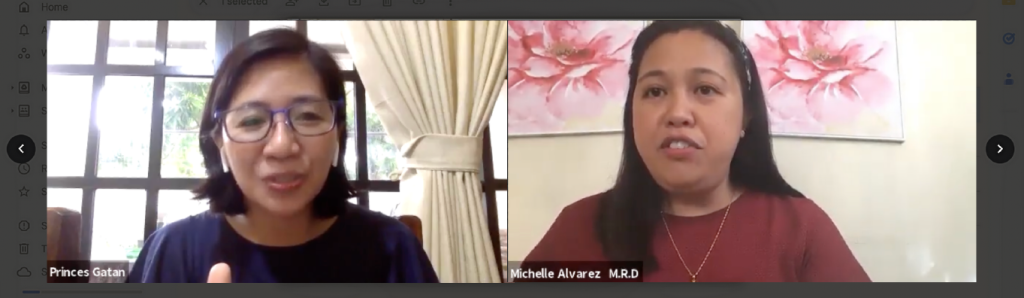
(Left photo) Ms. Princes Raymunda G. Gatan, of the Elementary School Science Group of UP NISMED, conducted an online interview, via Zoom, with Ms. Michelle Alvarez Braca (right photo), a Master Teacher from the Schools Division of Bago City, teaching Grade 3. The interview focused on how to teach and assess mathematics in the early grades and the trainings they received related to teaching mathematics in the early grades.
Based on the findings of the study, UP NISMED and RTI identified gap areas that can be strengthened through a pilot teacher training and support intervention for early grades mathematics teachers that will be conducted in the school year 2021-2022.
Partners and Collaborators


